
Sagano Romantic Train 2027: fares, seats and when booking opens
The ¥880 fare and the new ¥620 seat fee from 1 March 2027, the open cars that retire on 29 December, four new carriages with a cabin called Rankyo, and the day the March seats open.
Home/Kansai
REGION
Kyoto, Osaka, Kobe and Kansai Airport: the transfers and the tickets that decide how much of the region you actually see.
The ¥880 fare and the new ¥620 seat fee from 1 March 2027, the open cars that retire on 29 December, four new carriages with a cabin called Rankyo, and the day the March seats open.

The castle went to ¥2,500 for adults from outside Himeji on 1 March 2026 and free under 18. The 16:00 last entry, the 1,000-an-hour cap at the keep, and the scaffolding that runs through the 2027 season.

One ridge, four bands, and eight days between the first and the last. What each level holds, the ropeway and the second bus that reach them, and the car park that charges double before 14 April.

One 1937 school building, ten minutes from an unmanned station on the Ohmi Railway: a white palace of education with a staircase where the turtle wins. What the visit takes, when it shuts, and how to pair it with Hikone.

The Airport Express is ¥970 to Namba and Kintetsu takes it from there for ¥680, so the change costs about eleven minutes on foot. Three routes, fares and last trains.

Five price bands from ¥2,700 to ¥3,500 depending on the date, what the admission covers, and the extras it leaves out.

A one-day pass runs ¥6,000 to ¥7,900 and single rides start at ¥500, so the pass pays after two or three. The four attractions it leaves out.

The 37th festival runs 6 February to 7 March 2027, thirty days along one river. Peak bloom has fallen between 12 and 28 February in the last five seasons, and the town publishes the declaration that decides which week to book.

The maples here peak a fortnight before Kyoto's, the lanes are lit after dark and 51 temples rent rooms. The train and bus fares, the 2 km walk to Okunoin, and the last bus down.

Two hours north of Kyoto by bus: a 3.6 km sandbar of pines, the hill at each end that shows it as a dragon, and the boathouse town of Ine on a seasonal express that stops on 20 December.

Forty minutes from Osaka: a fish street where every shop keeps its own hours, the planetarium built on the meridian Japan sets its clocks by, a castle with two turrets and no keep, and a thirteen-minute ferry to Awaji.

The five entry tickets, why the ¥8,400 floor is not the price you pay, what each Express Pass covers and how to get into Super Nintendo World.

Nine resorts in Hokkaido, Nagano and Niigata, all opening between 28 November and 19 December: the adult day pass at each one, the beginner tickets, and the 71-minute shinkansen day trip from Tokyo.

Thirteen cities with the average date their sample tree opens and fills out, what the 2026 season did to those dates, and the park rules and holiday weekend that decide a March trip.

Two tickets sit behind every fare and the machine asks about both. The twelve screens, the trains with no non-reserved car, and the one answer that decides whether the gate opens.
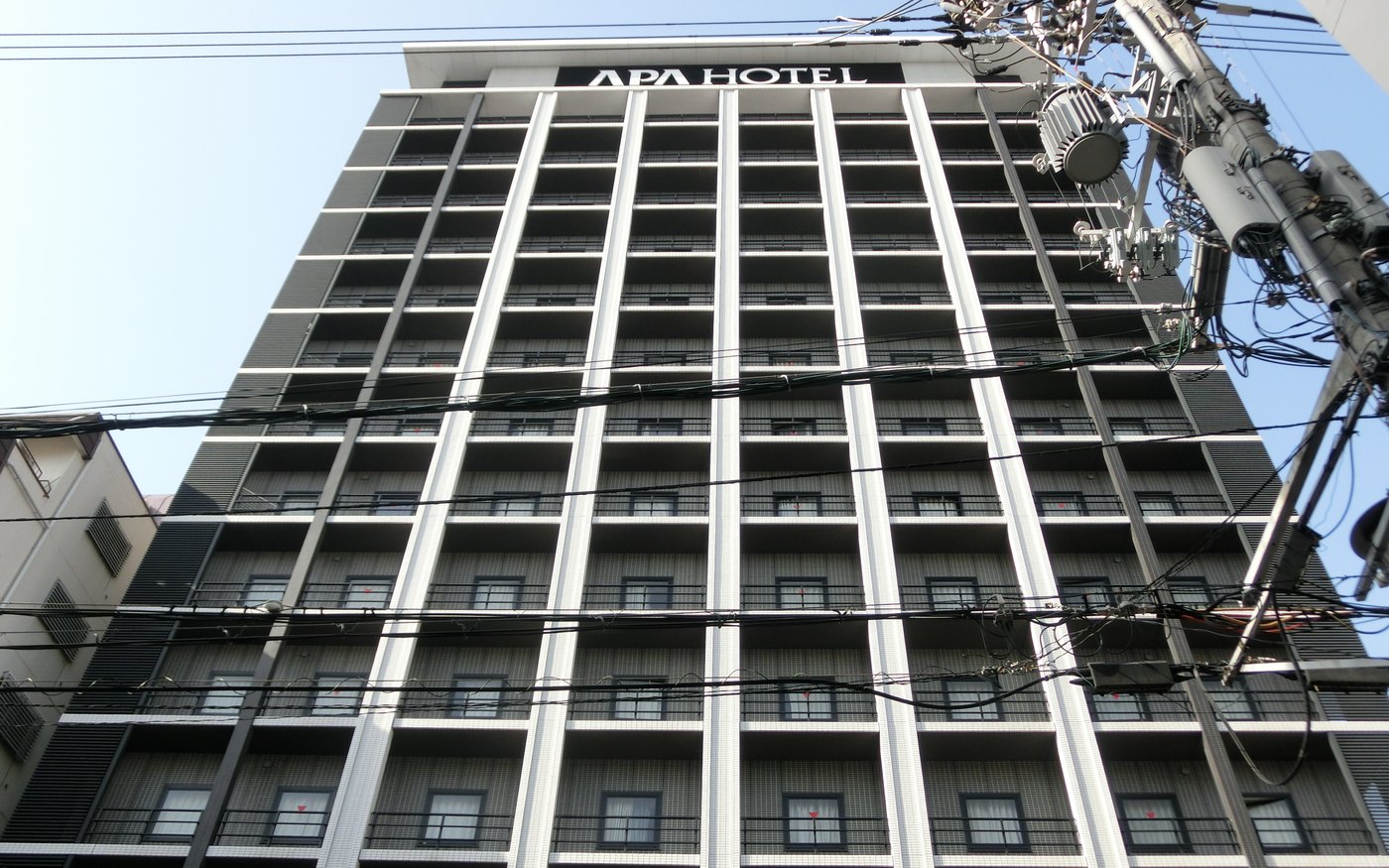
The compact-room model behind 1,126 APA hotels, the fittings it pays for, and which of seven Kansai branches suits the trip.

Ten towns worth the train, what a soak and a night cost at each, and the rules that begin at the washing tap.

Sixteen avenues and temple trees, the 2026 dates that are fixed, and the six weeks the yellow takes to cross the country.

The closures from 26 December, the Nozomi all-reserved window, hatsumode hours and Tokyo's first sunrise of 2027.

The ten calls that decide a first trip in 2026, taken in the order that keeps the rest cheap.

Fourteen well-reviewed Kyoto kitchens, the fee each booking channel adds, and the four that take no bookings at all.

The city's bases in low season, ¥4,375 to ¥10,500, with the machiya house rules, the hot-spring source lines and the rooms that sleep four.

JR West's card for Kansai: ¥2,000 to buy, cash only, ¥20,000 at most inside, and a refund that only happens at a JR West station.

Twenty-four light events across Osaka, Kyoto, Kobe, Himeji, Shiga and Wakayama: four kilometres of free street light on Midosuji, the paid gardens, the two Kyoto displays gone this winter.

One bowl: ¥980 in Fukuoka, ¥1,180 in Tokyo. The ticket machine and order sheet, the twelve branches worth a detour, which of the 85 shops never close.

A plate you didn't order, a charge for the seat, a drink before any food, and a last order half an hour before the doors shut. Where the good rooms are in Tokyo, Osaka and Fukuoka.

The metro's ¥190 to ¥390 distance fares, JR's Loop Line on its own ticket, the ¥970 airport express, the ¥1,670 limited express, the 2026 pass covering each half.

10 real hotels, ¥4,007 to ¥6,787 a night in low season: the station walks, Kyoto's new city tax brackets, November's price for the same room.

The colour runs from Hokkaido in September to the Kyoto gardens in mid-December. The corporation's last forecast of the season puts Tokyo's maples on 30 November, Osaka's on 6 December and Kyoto's on 14 December, with the night openings and their 2026 dates.

The Amazing Pass at ¥3,500 a day or ¥5,000 for two, Osaka Castle at ¥1,200, the Eco Card at ¥820 on a weekday, and the USJ day needs a free timed-entry ticket from the app.

The official site has held ¥50,000 for the 7-day pass while overseas agencies went to ¥53,000 on 1 October. The point-to-point fares it has to beat, the NOZOMI supplement, the reservation rule for where you bought it.

An ¥800 City Loop ticket covers Kitano, Chinatown and the port; the Maya cable car covers the night view for ¥1,560, but only Friday, Saturday, Sunday or a holiday, because Monday, Wednesday and Thursday the last car up leaves at 17:40.

Tabelog takes bookings at about 96,000 restaurants in Japan without a phone call in Japanese, charges ¥440 a head, and takes a card before it confirms. The score brackets, the fee, the four screens in between.

Every menu item is ¥410 including tax, each yakitori order two skewers, and you pay at the counter. The 1 October price change, the party plan's written terms, six branches in four cities.

One code replaces the arrival card and the customs form, but only eight terminals have the kiosk for a single stop. What to register before you fly, the four rules that catch people out.

10 real hotels in low season, ¥7,800 to ¥15,000, with Namba walk times, room sizes, Osaka's accommodation tax, a straight answer on Shin-Imamiya.

The ¥700 bus 1-day pass is gone, replaced by ¥1,100, so the routing changes. Four days with fares, temple prices, the 2026 autumn night viewings.

The Osaka Amazing Pass decides the order of your days, Universal Studios needs a day of its own, Kyoto is 29 minutes and ¥580 away. Day by day, with each day's cost.

Takoyaki at ¥600 for six, okonomiyaki cooked at your table, kushikatsu with one drink each, crab at ¥5,000 and up. The posted hours and the rules that catch first-timers.

Every card rides the same network, so the choice is where you buy it, whether it goes on your phone, and where you get your money back.

Haneda is 11 minutes from Shinagawa; Narita an hour and ¥3,140; Kansai the direct line to Kyoto. Real door-to-door numbers, and which one to book.

Since 1 November the till charges the tax and the airport pays it back: the customs terminal, the refund providers, the 90-day clock, and what an October receipt still does.
Nothing here matches.