
Source: Flickr · CC BY-SA 2.0
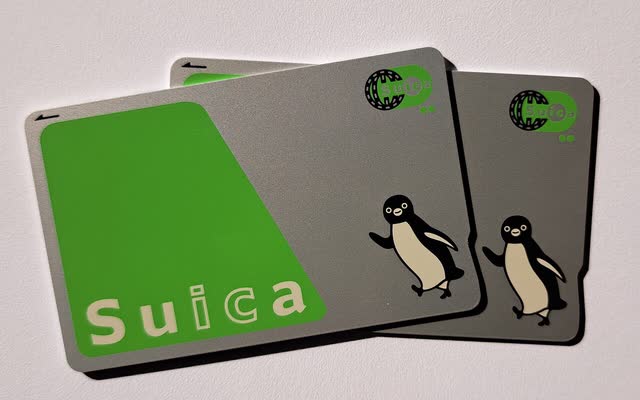
PASMO is the card Tokyo's private railways and subway sell; underneath it's a Suica: one national network, one balance ceiling, one handling fee. Only the machine that hands it over differs.
1What the card costs
A PASMO is ¥500 of deposit plus whatever you load, so ¥2,000 leaves ¥1,500 to travel on. It comes from the machines and ticket offices of its issuing companies: Tokyo Metro, Toei, the private railways and the bus operators around the capital, including Seibu, Tokyu, Odakyu, Keio and Keikyu. Both Tokyo airports have them, and a machine sells a child card with the right ID.
Two versions exist. A blank PASMO takes adult fares, can't be reissued if it's lost, and needs nothing from you. The personalised card carries a name, so it can be reissued for a fee, and buying one means registering a name, date of birth and telephone number at the machine. Only the person named on it can ride it.
2Tourist PASMO, the 28-day card
Tourist PASMO, on sale 20 May 2026, replaced PASMO PASSPORT, which ended on 11 October 2024. It costs ¥1,000 to ¥10,000 with no deposit, so all of it's travel money, valid 28 days from the day you buy it.
The Tourist PASMO is sold at the two Tokyo airports and nowhere else. At Haneda: Keikyu machines for travellers by the Terminal 1 and Terminal 2 gates, which take credit cards, and the Keikyu Tourist Information Centre by the Terminal 3 arrivals hall. At Narita: the Skyliner and Keisei information centres in Terminals 1 and 2, and a flat ¥2,000 card.
3Loading it
Machine top-ups run in ¥1,000 steps and the balance stops at ¥20,000. Convenience stores charge a card at the till if you ask, and the PASMO app and the Apple Wallet card both load from a credit card, not cash.
Tourist PASMO has one extra rule on a bus: the driver tops it up in ¥1,000 notes only and won't take the balance past ¥10,001, so load at a station machine if the day involves more than a couple of rides.
4Handing it back
A refund happens at a service counter of one of the companies that issues PASMO, inside the PASMO area. The balance is paid out less a ¥220 handling fee, which zeroes the balance if it's smaller. The ¥500 deposit is added on top, in full.
A blank PASMO that's lost is gone, which is the argument for the personalised card if you live here. A PASMO unused for ten years expires with its balance, so use the card on the next trip rather than keep it as a souvenir.
5On the phone
PASMO adds to Apple Wallet on an iPhone 8 or later running iOS 14, or an Apple Watch Series 3 or later on watchOS 7. It issues in the Wallet app with an opening balance paid by Apple Pay, needs no deposit, and can be an Express Transit Card the gate reads without Face ID. The separate PASMO app, in Japanese, is only needed for commuter passes and a few other services.
Android is where it narrows: PASMO’s own pages say devices bought outside Japan are generally not compatible with Mobile PASMO, and support is in Japanese only. That leaves the plastic, which is what most visitors end up with.
6PASMO or Suica
Same network, same fares, same ¥20,000 ceiling, same ¥220 fee on the way out. Only the machine that printed it and the refund rule differ: a refund belongs to the issuing company, so a PASMO from a private railway can't be handed in at a JR East counter. Choose by the first machine you meet, and read the comparison if the trip covers Kansai too.
| Before you go | Why it matters here | Check tickets |
|---|---|---|
| Tokyo hotels | The card comes from the private railways, so the nearer you sleep to a Metro or Keikyu station the sooner you have one | Trip.com Klook KKday |
| Tokyo Subway Ticket | The honest counterpart to a PASMO once the day is more than a few rides on the Metro and Toei | Trip.com Klook KKday |
| Japan eSIM | Loading the wallet card is a phone job, and a lost balance is a data problem as much as a card one | Trip.com Airalo eSIMania |
| Private airport transfer | The first leg of the trip is the one where a queue at the ticket machine costs you an hour | Kiwitaxi |
Keep reading Suica, ICOCA or PASMO: which IC card should you buy?
Keep reading Where does an ICOCA stop working?
7Questions and answers
PASMO questions from the machine, with the 2026 rules.
PASMO or Suica, does it matter which?
Not for riding, and not for the price: one national network, the same ¥20,000 balance ceiling, the same terms. It matters on the way out, because a PASMO goes back to the company that issued it, so a private-railway card can't be refunded at a JR East counter and a Suica can't be refunded at a Tokyo Metro office.
Where can I buy Tourist PASMO?
Only at the two Tokyo airports. At Haneda: Keikyu machines for travellers beside the Terminal 1 and Terminal 2 gates, which take credit cards, and the Keikyu Tourist Information Centre by the Terminal 3 arrivals hall. At Narita the Skyliner and Keisei information centres in Terminals 1 and 2 sell a flat ¥2,000 card. Nothing is sold in central Tokyo.
Do I get the deposit back?
On a normal PASMO, yes: hand the card in at a service counter in the PASMO area and the balance is paid out with a ¥220 handling fee deducted, plus the ¥500 deposit in full. Tourist PASMO has no deposit and no refund, so the balance is spent or lost.
Can I use a PASMO in Osaka?
Yes. PASMO is one of the ten cards on the national mutual-use scheme, so it taps through gates in Osaka, Kyoto, Fukuoka and Sapporo and pays at participating shops. A single journey still can't cross between two IC areas, and the card is refundable only inside the PASMO area.
How long is Tourist PASMO valid?
28 days from the date of purchase, not from first use, so buy it on arrival rather than in advance. There's no extension and nothing to renew: when the 28 days are up the card is a souvenir with a dead balance.
Does PASMO work on an Android phone?
Generally not if the phone was bought outside Japan. PASMO's own support pages note that overseas Android devices aren't compatible with Mobile PASMO, and the phone service runs in Japanese only. On an iPhone 8 or later it takes a minute in the Wallet app, with no deposit.
Keep reading
Sources
- PASMO — the card types: blank, personalised and child, the fares each carries, the registration a personalised card needs, the reissue fee, and the rule that a child card runs to 31 March of the year the holder turns 12 (pasmo.co.jp/en/use)
- PASMO — purchasing a card at a participating operator's ticket machine, and the PASMO area made up of the Tokyo private railways, the subway and the bus operators (pasmo.co.jp/en/use, pasmo.co.jp/en/)
- PASMO — Tourist PASMO: on sale from 20 May 2026, ¥1,000 to ¥10,000 with no deposit, valid 28 days from purchase, sold only at Haneda with Keikyu and Narita with Keisei, the credit-card machines at Haneda Terminals 1 and 2, the flat ¥2,000 card at both Narita terminals, the ¥20,000 machine ceiling, the ¥1,000-note bus top-up below ¥10,001, and no refund of value (pasmo.co.jp/en/tourist-pasmo)
- PASMO — the rules for Tourist PASMO, effective 20 May 2026, including the treatment of value at the end of validity and the child Tourist PASMO (pasmo.co.jp/en/condition/touristpasmo)
- PASMO — the end of PASMO PASSPORT services on 11 October 2024, from the notice on the corporate pages (pasmo.co.jp/en/news)
- PASMO — PASMO on Apple Pay: iPhone 8 or later on iOS 14, Apple Watch Series 3 or later on watchOS 7, issuing and loading in the Wallet app, the Express Transit Card setting, and the note that the PASMO app is needed for commuter passes (pasmo.co.jp/en/issue)
- PASMO — the Apple Pay rules: no deposit on a mobile card, and the deposit on a plastic card refunded as value when the card is transferred (pasmo.co.jp/en/condition/agreement)
- PASMO — the note that Android devices bought outside Japan are generally not compatible with Mobile PASMO, and that support is in Japanese only (pasmo.co.jp/en/)
- Fares, limits and dates are current as of 17 October 2026.
- Ticket links on this page are affiliate links (Klook, KKday, Trip.com, Kiwitaxi, Airalo, eSIMania through Travelpayouts and Awin) and cost you nothing extra.